Pest Inspection
Heat Treatment Services in London
204 6542 400TRU HEAT Pest Control provides silverfish control in London with inspection-led treatment, commercial-grade products, and practical advice to help address both the infestation and the conditions that may be attracting silverfish back.
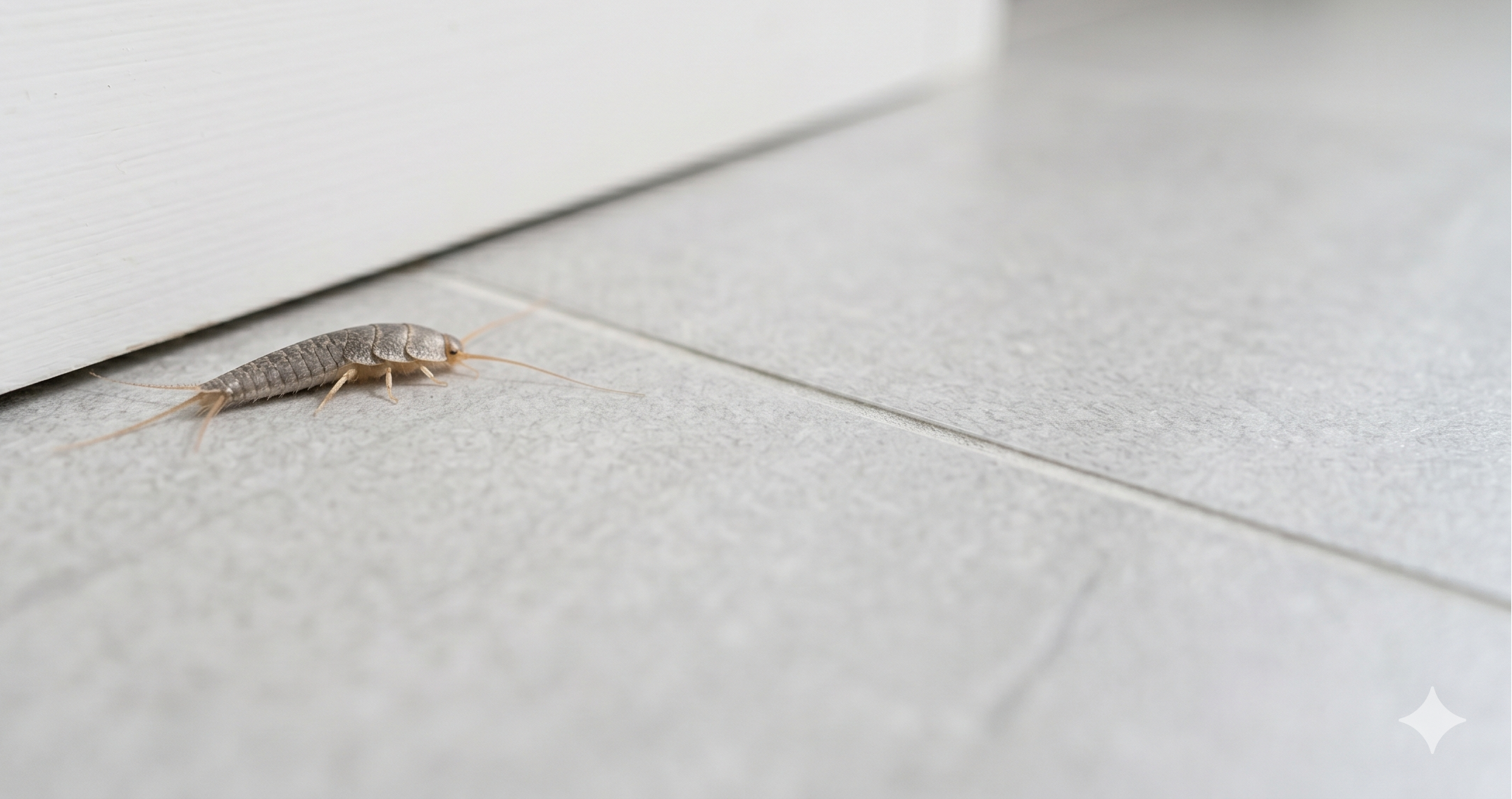
Silverfish are not usually dangerous to people, but they can become a persistent problem once they settle inside the property. They do not bite or spread disease in the same way as some pests, but they can damage paper, books, wallpaper, cardboard, stored food, clothing, fabrics, and materials containing starch or natural fibres.
Professional silverfish pest control in London is recommended when activity keeps appearing in bathrooms, kitchens, cupboards, storage rooms, basements, utility spaces, or damp indoor areas. Silverfish are nocturnal and usually hide during the day, so the insects you see may only be part of a larger hidden infestation.
DIY sprays may reduce visible activity for a short time, but they often miss the cracks, gaps, flooring edges, wall voids, and moisture-prone spaces where silverfish hide and breed. A professional silverfish exterminator can inspect the affected areas, identify the conditions attracting them, and apply the most suitable silverfish treatment for the property.
This approach helps with silverfish removal in London by treating the active infestation while also addressing the humidity, ventilation, storage, and proofing issues that may allow silverfish to return.
Silverfish activity is often noticed at night or in rooms with high humidity. Bathrooms are one of the most common problem areas, but infestations can also develop in kitchens, basements, cupboards, wardrobes, utility rooms, storage spaces, and other damp or poorly ventilated parts of the property.
Common signs you may need silverfish treatment in London include:
If you are trying to get rid of silverfish in London and they keep returning, the source may be linked to hidden moisture, cracks, untreated harbourage areas, or conditions that allow the infestation to continue. Professional silverfish pest control can help identify where the activity is coming from and apply the right treatment for the affected areas.

Before silverfish treatment, you may be asked to vacuum affected areas, clear access to skirting boards, cupboards, floor edges, pipework, damp corners, and other places where silverfish activity has been seen. Pets, including fish, may also need to be removed from the property while insecticide-based treatment is carried out.
After the treatment, you may be advised to wait before returning, ventilate treated rooms by opening windows and doors, and avoid vacuuming treated areas for several days so the treatment can remain effective. Your technician will confirm the exact preparation and aftercare instructions based on the treatment method used and the areas affected.
Silverfish often return when the underlying conditions are not addressed. These pests thrive in warm, dark, damp, and humid environments, so silverfish infestation treatment works best when it is combined with moisture control and prevention advice.
Common causes of recurring silverfish problems include poor ventilation, high humidity, leaking pipes, condensation, damp cupboards, mould, gaps around tiles, skirting boards, flooring edges, pipework, and stored paper, food, cardboard, or fabric materials.
This is why professional silverfish treatment should not only focus on killing visible insects. It also needs to identify where silverfish are hiding, what is attracting them, and how they are moving through the property. Reducing moisture, improving ventilation, sealing access points, and storing food, paper, and fabrics properly can all help support long-term silverfish control in London.
TRU HEAT Pest Control provides silverfish removal in London for both residential and commercial settings. Our service is suitable for houses, flats, rental properties, landlords, tenants, offices, hotels, serviced apartments, basements, storage rooms, bathrooms, changing areas, kitchens, utility spaces, and commercial buildings with damp or storage-related pest issues.
Silverfish can be particularly frustrating in managed properties because they may spread through hidden gaps, service voids, humid rooms, shared building areas, flooring edges, cupboards, and pipework spaces. Professional silverfish pest control helps identify the affected zones, treat the active infestation, and reduce the risk of recurring activity.
Whether you need bathroom silverfish treatment, silverfish in house treatment, or support for a commercial property, our technicians focus on the areas where silverfish hide, breed, and return.
Silverfish inspection and infestation assessment
A pest control specialist inspects the affected areas to identify where silverfish activity is coming from and how widespread the infestation has become. The inspection usually focuses on bathrooms, kitchens, cupboards, basements, utility rooms, pipework, flooring edges, wall gaps, skirting boards, and damp or humid spaces.
Observation and follow-up control
If you book a full silverfish treatment plan, follow-up visits may be included where needed. These visits help monitor activity, re-treat affected areas if necessary, and improve long-term silverfish removal results.
Prevention advice
After treatment, you receive practical advice on reducing humidity, improving ventilation, managing damp areas, sealing gaps, and storing paper, food, books, cardboard, and fabrics in a way that makes the property less attractive to silverfish.
If silverfish keep appearing after cleaning or DIY sprays, the problem is likely hidden in cracks, damp corners, pipework gaps, flooring edges, or other moisture-prone areas.
Book professional silverfish treatment in London with TRU HEAT Pest Control to identify the source, treat the affected zones, and get practical advice to help prevent the infestation from returning.