
Signs You May Have Bed Bugs in Your Bedroom, Sofa, or Mattress
Bed bugs are one of the most difficult household pests to detect early because they are small, nocturnal, and skilled at hiding in narrow gaps close to where people sleep or rest. Many infestations begin with only a few insects hidden inside mattresses, bed frames, sofas, headboards, or upholstered furniture before spreading further into the property.
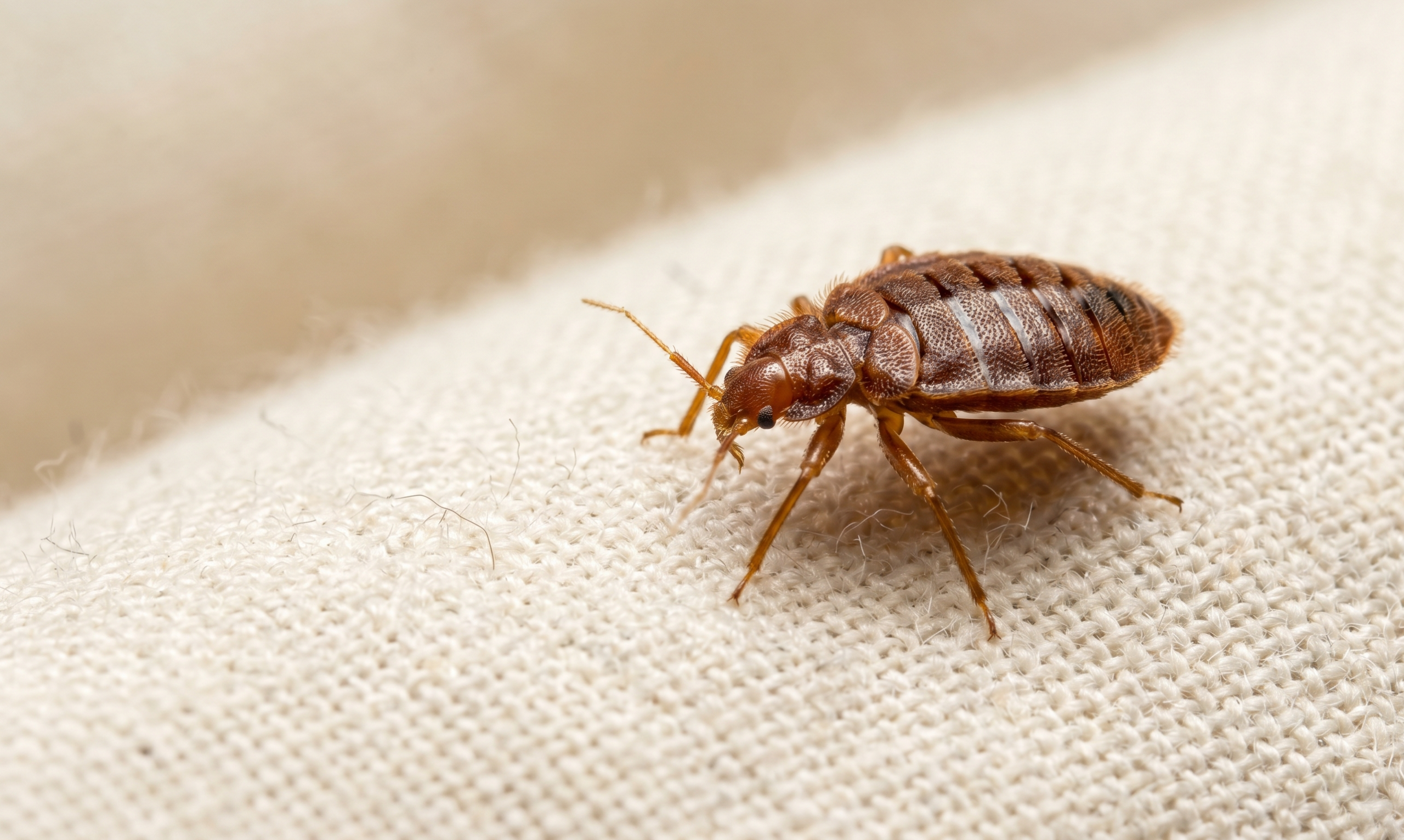
In the early stages, bed bug activity is often mistaken for mosquito bites, skin irritation, allergies, or random insect bites. However, recognising the warning signs early can help prevent a small infestation from becoming much larger and more difficult to control.
Unexplained Bites After Sleeping or Resting
One of the most common signs of bed bugs is waking up with itchy bites or red marks on exposed skin. These bites often appear on the arms, shoulders, neck, back, hands, or legs after sleeping in bed or spending time on a sofa.
Bed bug bites are commonly grouped together or appear in lines or clusters, although reactions vary from person to person. Some people develop noticeable irritation, while others may show little or no visible reaction at all.
Small Dark Spots on Bedding, Mattresses, or Sofas
Another common sign is finding small black or dark brown marks on sheets, pillowcases, mattresses, or upholstered furniture. These spots are often bed bug droppings left near hiding and feeding areas.
The marks may appear around mattress seams, pillow edges, bed frames, headboards, sofa cushions, upholstered furniture joints, and carpet edges near sleeping areas.
Tiny Blood Marks on Sheets
Small blood spots on bedding can sometimes appear after bed bugs are accidentally crushed during sleep. These marks are usually small rust-coloured or reddish stains found on sheets, pillowcases, or mattresses.
While occasional blood spots may happen for other reasons, repeated staining combined with bites or other warning signs may indicate a developing infestation.
Where Bed Bugs Usually Hide
Bed bugs prefer narrow, dark spaces close to sleeping or resting areas. Mattresses and sofas provide ideal hiding conditions because they offer warmth, fabric folds, and easy access to people during the night.
- Mattress seams and piping
- Bed frames and slats
- Headboards
- Sofa seams and cushions
- Upholstered furniture
- Carpet edges near beds
- Cracks in wooden furniture
- Electrical sockets near sleeping areas
If you suspect hidden activity, professional bed bug heat treatment in London can help target infestations inside mattresses, furniture, cracks, and other difficult-to-reach areas.
Bed Bug Activity Around Sofas and Living Rooms
Bed bugs are not limited to beds. They can also infest sofas, armchairs, upholstered furniture, and living room areas where people spend long periods sitting or sleeping.
This is especially common in studio flats, shared accommodation, properties with heavy infestations, or homes where people regularly sleep on sofas. If bites appear after sitting on a sofa, or if small dark spots are visible around cushions and seams, the infestation may already have spread beyond the bedroom.
Why Bed Bugs Are Difficult to Remove
Bed bugs reproduce quickly and hide extremely well during the day. DIY sprays often fail because they do not reach hidden eggs, cracks, furniture joints, or deep harbourage areas where bed bugs remain protected.
In many cases, people treat only the visible insects while hidden activity continues inside mattresses, walls, flooring gaps, or furniture structures.
A professional pest inspection can help confirm the infestation level, identify hiding areas, and recommend the most suitable treatment approach.
Signs the Infestation May Be Spreading
A bed bug infestation may be becoming more severe if bites are appearing more frequently, activity is spreading into additional rooms, bed bugs are visible during daytime, multiple people in the property are affected, or sofa and living room activity develops.
The longer bed bugs remain untreated, the more opportunity they have to spread into nearby furniture, cracks, fabrics, and adjoining rooms.
When to Book Professional Bed Bug Treatment
You should consider professional bed bug treatment if bites continue appearing overnight, you find signs around the mattress or sofa, bed bugs are visible inside seams or furniture, DIY treatment is not working, or activity is spreading through the property.
Early treatment is usually far easier than dealing with a larger established infestation later.
Final Thoughts
Bed bugs are extremely good at staying hidden, which is why many infestations are discovered only after bites, stains, or visible activity become more obvious. Paying attention to early warning signs around mattresses, sofas, bedding, and furniture can help reduce the risk of the infestation spreading further through the property.
If you suspect bed bug activity in your bedroom, sofa, or mattress, professional inspection and treatment can help identify the source and deal with the infestation more effectively before it becomes harder to control.